The Complete Guide to E-Waste Recycling: Why It's Important and How to Begin
E-waste recycling stands as a vital but commonly disregarded element of modern environmental responsibility. As technology advances at a remarkable pace, countless tons of electronic waste build up annually, creating substantial environmental hazards. Grasping the complexities of e-waste disposal enables people to make well-informed decisions. This guide not only outlines effective recycling practices but also explores the broader implications for the environment and economy. The journey toward responsible e-waste management begins with a few critical steps.
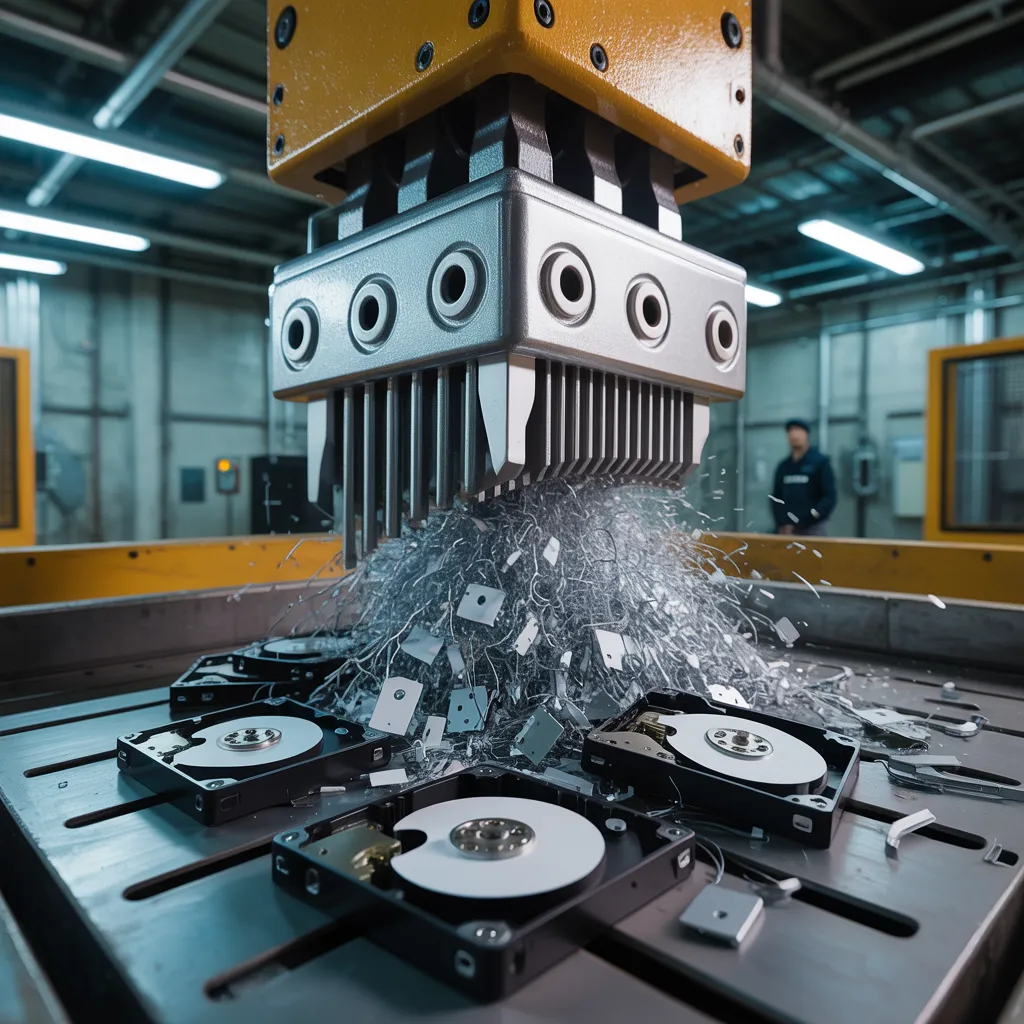
Key Things to Know About E-Waste
Electronic waste, commonly known as e-waste, encompasses discarded electrical and electronic equipment, and recognizing its significance is crucial in today's technology-driven world. The swift development of technology has caused a considerable surge in e-waste accumulation, with vast quantities measured in millions of tons created every year. Such waste frequently harbors dangerous substances including lead, mercury, and cadmium, creating substantial environmental and public health dangers if not disposed of correctly.
Additionally, precious materials like gold, copper, and rare earth metals are contained in these electronic devices, which can be extracted through recycling processes. Yet, a significant quantity of e-waste is deposited in landfills, aggravating environmental pollution and resource loss. Understanding of appropriate waste disposal techniques and the significance of recycling can help resolve these challenges, supporting a more eco-friendly approach to technology usage. Grasping e-waste is necessary for fostering responsible practices and advancing effective recycling initiatives within society.
Your First Steps to E-Waste Recycling
Making the effort to recycle e-waste can significantly influence both the environment and personal responsibility. To begin, individuals should assess their unused or broken electronics, organizing devices such as smartphones, laptops, and printers. This step helps in understanding the volume of e-waste that needs addressing. Next, researching local recycling programs is crucial. Many communities offer designated drop-off locations or special collection events for e-waste.
People should also become aware of which items are recyclable and which are not, as rules differ depending on the area. Upon finding the right recycling options, wrapping the items properly for transit ensures their safety and reduces the risk of damage. In conclusion, it is important to follow up on the disposal procedure, verifying that Start here certified recyclers manage the e-waste. By implementing these foundational actions, users support a more environmentally responsible world while responsibly managing their electronic waste.
The Environmental Impact of E-Waste Recycling
Despite being frequently ignored, the environmental significance of recycling e-waste is deep and wide-reaching. Effective e-waste recycling helps prevent hazardous materials, such as mercury, lead, and cadmium, from contaminating soil and water sources. Such hazardous materials can result in severe health risks for people and wildlife alike. By choosing to recycle, valuable resources like gold, copper, and silver are reclaimed, decreasing the demand for mining and reducing the total carbon footprint associated with resource extraction.
In addition, proper e-waste recycling reduces landfill consumption, where breaking down electronics discharge dangerous chemicals. It fosters a circular economy by promoting sustainable practices, motivating manufacturers to create products that prioritize recyclability. Moreover, recycling contributes to reduced greenhouse gas emissions by minimizing energy demands compared to new material production. Overall, the environmental benefits of e-waste recycling underscore its critical role in promoting a healthier planet and ensuring responsible management of electronic resources.
Economic Benefits of E-Waste Recycling
E-waste recycling presents significant economic advantages, particularly through workforce development and resource reclamation. By establishing recycling facilities, local communities can create job openings while advancing environmentally responsible methods. Furthermore, extracting useful resources from discarded electronics reduces the need for new resource extraction, contributing to significant reductions in expenditure.
Employment Generation Prospects
Processing e-waste not only tackles environmental issues but also acts as a driving force for employment growth. The electronic waste recycling sector creates numerous job prospects, spanning from gathering and categorizing to processing and restoring electronic equipment. As the need for eco-friendly methods increases, this industry is developing rapidly, calling for qualified professionals in technology, engineering, and supply chain management. Surrounding economies prosper as new positions are regularly established in regions experiencing significant unemployment, encouraging local growth. Moreover, companies engaged in electronic waste recycling are able to encourage creativity and new ventures, nurturing a sustainable economic model. By investing in e-waste initiatives, governments and organizations not only promote environmental sustainability but also enhance economic resilience through meaningful employment opportunities.
Resource Reclamation Savings
The electronic waste recycling sector not only creates jobs but also offers considerable economic benefits by means of resource recovery savings. Through the reclamation of valuable materials like gold, silver, and copper from discarded electronic devices, recycling reduces the demand for raw resource extraction, which is often costly and environmentally damaging. This process lowers production costs for manufacturers, which in turn leads to more affordable pricing for consumers. Furthermore, the energy efficiencies gained through e-waste recycling can be considerable, lowering operational expenditures for businesses and boosting overall economic efficiency. Beyond this, as global demand for electronic devices continues to rise, streamlined resource reclamation from e-waste becomes progressively vital for supporting supply chains and bolstering economic stability. As a result, e-waste recycling stands as a sound investment for the economy and the environment alike.
Places to Recycle Your Old Electronics
Wondering where to dispose of outdated electronics responsibly? Numerous options exist for recycling old devices, guaranteeing both ecological safety and the recovery of valuable materials. Community recycling hubs commonly welcome numerous types of electronic devices, like desktop computers, smartphones, and TV sets. Several cities and towns also arrange scheduled e-waste drop-off events, providing a convenient way for residents to recycle items safely.
Well-known retailers including Best Buy and Staples offer take-back programs, allowing customers to return old electronics when purchasing new ones. Certain manufacturers offer mail-in recycling options, allowing customers to ship their old electronics straight to dedicated recycling centers. Non-profit entities can also receive contributions of operational electronic devices, extending their lifespan while supporting community initiatives.
Dispelling Common Misconceptions About E-Waste Recycling
Despite the common belief that e-waste recycling is ineffective, the reality is that well-organized initiatives can significantly minimize environmental harm. A popular misunderstanding is that e-waste ends up in landfills regardless of recycling efforts. In truth, established recycling centers reclaim important components and safely dispose of hazardous components.
One popular myth states that electronic recycling is overly complex or expensive. However, many local programs offer free drop-off services, allowing everyone to participate with ease. Many also offer handy pickup services.
In addition, some people mistakenly believe that all electronic waste is suitable for recycling, but many items cannot be recycled owing to the specialized components they are made of. Knowing your local recycling rules is key.
Lastly, it is widely believed that e-waste recycling fails to generate job creation. The truth is, the recycling industry creates thousands of employment opportunities, benefiting the economy while advancing environmental sustainability. By debunking these myths, individuals can make better decisions about e-waste recycling.
Frequently Asked Questions
Is It Possible to Recycle Batteries With My E-Waste?
Batteries should not be recycled with e-waste. They require separate handling due to hazardous materials. Proper disposal options include specific recycling centers or collection events designed for batteries, ensuring safe and environmentally friendly processing.
What Occurs to My Data During the Recycling Process?
Throughout the recycling process, information stored on electronic devices can be compromised without proper erasure. Established recycling companies utilize dedicated processes to confirm thorough data removal, securing private information from possible retrieval or misuse.
Is E-Waste Recycling Regulated by Law?
Electronic waste recycling is regulated by numerous rules and regulations that differ by geographic location. Such regulations are designed to guarantee safe disposal, protect the environment, and effectively manage hazardous materials within the recycling process.
Is There a Fee for Electronics Recycling?
Numerous electronics disposal facilities might charge fees for handling items, especially for particular types like televisions or monitors. Nevertheless, certain locations offer recycling at no cost, generally backed by manufacturer-sponsored programs or local initiatives promoting responsible disposal.
How Can I Promote E-Waste Recycling in My Community?
To promote e-waste recycling in the community, one can organize educational campaigns, engage local businesses for recycling events, and leverage social media to share valuable information about environmental advantages and correct disposal techniques.